“Skin flooding” is one of those skincare terms that seems to show up everywhere at once - a video here, a caption there, a comment thread full of people asking whether it’s actually doing anything or just a catchy name for something skincare has always done. The honest answer is somewhere in between: the technique is real, the mechanism behind it is well documented in dermatology literature, and most of what makes it “work” is simply a more deliberate version of a routine dermatologists have recommended for years - applying hydrating products to damp skin and sealing them in before the water evaporates.
This guide walks through what’s actually happening on your skin during a flood, why the order and timing of application matters more than the number of products you own, and how to build a minimal routine that’s realistic to keep up with - not a ten-step regimen.
Key takeaways |
||||
 Skin flooding means applying a humectant-rich layer to damp skin, then sealing it with a moisturiser before the water evaporates.
|
 It works because damp skin takes up water-soluble ingredients more readily, and an occlusive final layer reduces transepidermal water loss (TEWL).
|

A minimal routine only needs three steps: cleanse, hydrate on damp skin, seal.
|

This approach tends to suit dry and dehydrated skin best; oily and acne-prone skin generally does better with lighter, gel-based layers.
|
 It’s a hydration ritual, not |
1. What Is Skin Flooding, Exactly?
Skin flooding is the practice of layering several hydrating, water-based products onto skin that’s still damp, typically right after cleansing or a spritz of a hydrating mist, and finishing with a moisturiser that seals everything in before it can evaporate. One derm-focused explainer puts it plainly: the technique itself is sound skincare science; it’s the branding, not the underlying mechanism, that’s new. A well-built routine already tends to apply products thinnest-to-thickest and layer a hydrating serum under a moisturiser - skin flooding is really that same logic, done more intentionally and usually on damp rather than dry skin.
2. Why Damp Skin and Layering Actually Work
Damp skin absorbs differently than dry skin
Applying products to skin that’s still slightly damp rather than fully dry gives water-soluble, humectant ingredients more surface moisture to draw on immediately, which is thought to support better uptake into the upper layers of skin than the same products applied to bone-dry skin.
Humectants pull water in
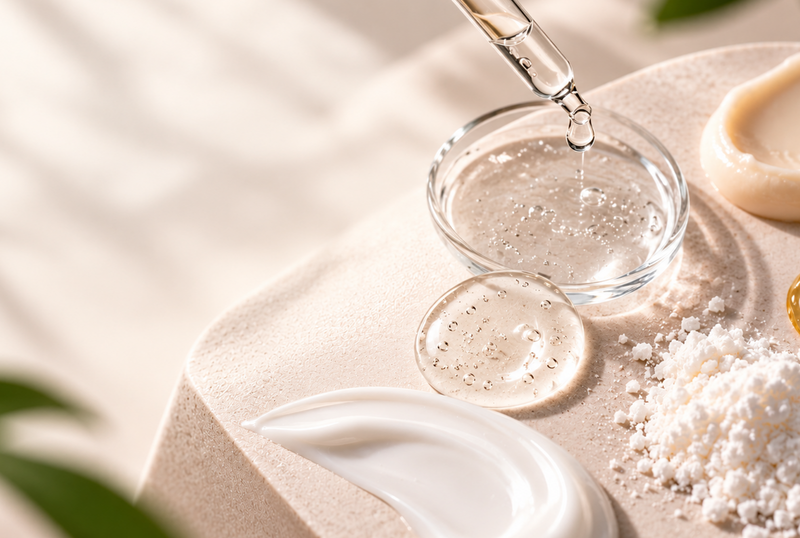
Humectants such as hyaluronic acid and glycerin work by attracting water into the stratum corneum, the outermost layer of skin. Moisturiser formulation research describes humectants as low-molecular-weight substances with hydroxyl groups that draw and hold water at the skin’s surface, and notes they’re typically most effective when paired with something that seals that moisture in rather than used alone (Draelos, Clinical Medicine & Research, 2017). Left unsealed in dry air, a humectant can pull moisture up from deeper layers and then lose it to evaporation just as quickly, which is exactly why the sealing step isn’t optional.
Occlusion is what makes it last
The final moisturiser layer works by a different mechanism: occlusive and emollient ingredients form a barrier on the skin’s surface that slows transepidermal water loss (TEWL), so the water pulled in by the humectant step has time to stay put rather than evaporating within minutes (StatPearls, Moisturizers; DermNet, Emollients). Research on hyaluronic acid specifically has also shown that, at higher molecular weights, it can form a film on the skin surface that helps limit water loss from the epidermis (Cavallini et al., 2025).
It’s worth keeping expectations grounded here: dermatology commentary on the trend is consistently clear that skin flooding can meaningfully improve comfort, plumpness, and hydration in the short term, but that more research is needed to establish its long-term effects across different skin types (ReachMD, Modern Aesthetics, 2025). It’s a hydration ritual worth building into a routine, not a treatment for an underlying skin condition.
3. The Minimal Skin Flooding Routine for Beginners
You don’t need a ten-product shelf to try this properly. The version that tends to actually stick and that beginners can build on later comes down to three steps, done in order, on skin that’s still a little damp.
1. Cleanse, and stop before your skin fully dries
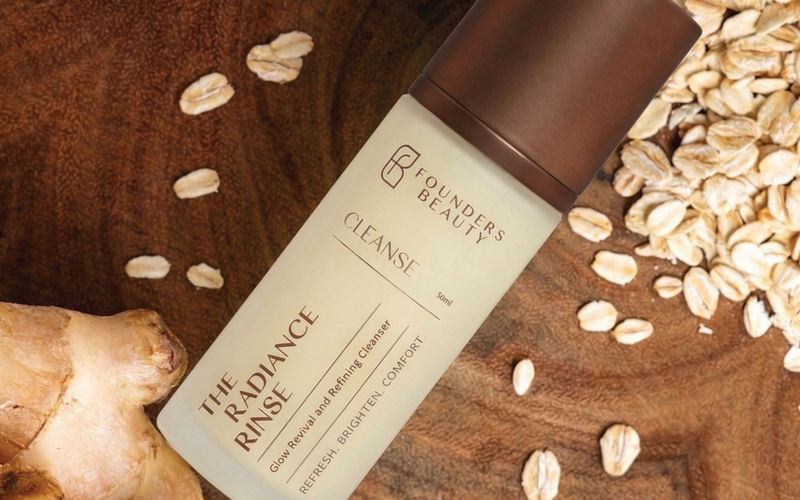
Start with a gentle, non-stripping cleanser; something like The Radiance Rinse and pat skin so it’s damp rather than dripping or bone-dry. This is the window the rest of the routine depends on, so it helps to have your next product already at hand.
2. Layer your hydrating step while skin is still damp
Press in a humectant-forward serum or essence; hyaluronic acid and glycerin are the ingredients most consistently preferred for this step. If your regimen already includes a niacinamide serum such as The Purity Potion, this is a natural point to layer it in too; niacinamide is generally well tolerated alongside humectants and works well as part of a layered, minimal routine rather than as a separate step to squeeze in elsewhere.
3. Seal it in before it evaporates
Finish with a moisturiser to lock the hydration in. Enter The Moisturising Milk - a lightweight option that suits this sealing step without feeling heavy. This is the step beginners most often skip, and it’s the one the science says matters most.
Optional additions, once the basics feel automatic
-
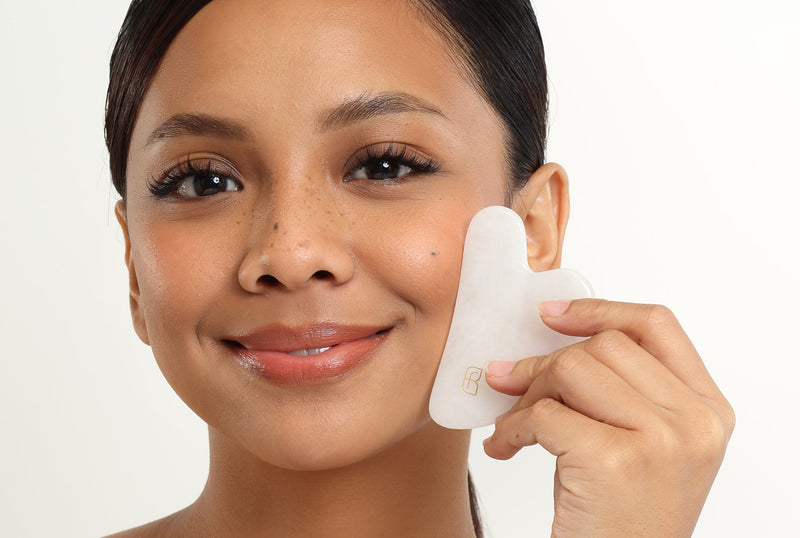
A few minutes of gua sha with either the White Jade or Amethyst stones can help press product evenly into skin after the sealing step, if you enjoy that part of the ritual.
-
Sleeping on a bamboo pillowcase, like the DreamWell Bamboo Pillowcase, is a small habit some people add alongside a flooding routine, since bamboo fabric tends to absorb less moisture off the skin overnight than standard cotton.
-
In the morning, always finish with SPF. Skin flooding is not a substitute for sun protection, and sunscreen should be the last step in the daytime version of this routine.
4. Common Mistakes Beginners Make
-
Letting skin dry completely between cleansing and the next step, which removes the damp-skin advantage entirely.
-
Skipping the moisturiser, or using one too light to seal in what the humectant step just pulled in.
-
Piling on too many serums at once - two or three thin layers, waited out for 30–60 seconds each, tends to outperform five layers applied all at once.
-
Using heavy, richly occlusive creams on oily or acne-prone skin, which can feel congesting rather than hydrating.
-
Expecting flooding to resolve concerns like texture or an uneven-looking complexion. It’s built for hydration and plumpness, not a stand-in for a full skincare regimen.
5. Who Skin Flooding Suits Best
Dry and dehydrated skin tends to see the most noticeable difference, since these skin types are working with the biggest hydration deficit to begin with. Post-procedure and seasonally dry skin — the kind that shows up in air-conditioned Singapore offices as much as it does in colder climates — can also benefit from the extra layering.
Oily and acne-prone skin can still try it, but usually does better with a lighter hand: a thinner humectant layer and a gel-based, non-comedogenic sealing step rather than a rich cream, so the routine hydrates without feeling congesting. If that’s your starting point, it’s worth reading up on the concern in more depth before building a full flooding routine around it.
6. How Often Should You Skin Flood?
For most skin types, we say once a day is good, usually at night, when there’s no SPF step to work around. This is a reasonable place to start. If you’re new to layering multiple products, easing in two to three times a week and watching how your skin responds is a sensible way to build up, especially if you’re combining it with actives elsewhere in your routine.
7. Frequently Asked Questions
Is skin flooding just a trend name for moisturising?
Largely, yes. The underlying mechanism is humectants drawing in water, then an occlusive layer sealing it — is standard moisturiser science. What’s new is the emphasis on applying it to damp rather than dry skin, and layering in a specific order.
Can oily or acne-prone skin try skin flooding?
Generally, yes, with lighter textures. A thin humectant serum followed by a gel-based or lightweight lotion tends to work better for oily and acne-prone skin than a heavy, richly occlusive cream.
Do I need hyaluronic acid specifically?
Hyaluronic acid is the most commonly used humectant for this technique, but glycerin-based serums and essences work on the same principle and are a fine substitute or addition.
How long should I wait between layers?
Roughly 30 to 60 seconds per layer is enough for each product to settle before the next one goes on. There’s no need to wait several minutes between steps.
Can I skin flood every day?
Most skin types can do a simplified version daily, typically at night. If your skin feels tight, irritated, or congested, scale back to a few times a week and reassess.
Does skin flooding replace sunscreen in the morning?
No. If you’re doing a daytime version of this routine, SPF still needs to be the final step — skin flooding hydrates; it doesn’t protect against UV.
Related Reading |
References
1. 1Draelos, Z.D. (2017). Moisturizers: Where Do We Stand? Clinical Medicine & Research, 15(3–4), 75–87. View source
2. StatPearls. Moisturizers. StatPearls Publishing / NCBI Bookshelf. View source
3. DermNet. Emollients and Moisturisers. DermNet New Zealand. View source
4. Galvan, A., Lacavalla, M.A., Boschi, F., et al. (2025). A Fluid Dynamic In Vitro System to Study the Effect of Hyaluronic Acid Administration on Collagen Organization in Human Skin Explants. International Journal of Molecular Sciences, 26(11), 5397.View study